Understanding PCOS: A Gynecologist's Comprehensive Guide to Polycystic Ovary Syndrome
As a gynecologist, I frequently encounter women grappling with Polycystic Ovary Syndrome, commonly known as PCOS. It's a complex endocrine disorder that affects millions worldwide, often leading to a range of challenging symptoms. If you've been diagnosed with PCOS, or suspect you might have it, know that you are not alone, and with the right understanding and management, you can lead a healthy, fulfilling life. My goal today is to demystify PCOS, providing clear, medically accurate, and empathetic information to help you navigate this condition.
What is Polycystic Ovary Syndrome (PCOS)?
PCOS is more than just having cysts on your ovaries � it's a hormonal imbalance that can impact various systems in your body. While the exact cause isn't fully understood, it's believed to be a combination of genetic and environmental factors. At its core, PCOS involves:
- Hormonal Imbalance: Primarily, higher-than-normal levels of androgens (male hormones) in women.
- Irregular Menstruation: Ovulation may not occur regularly, leading to irregular or absent periods.
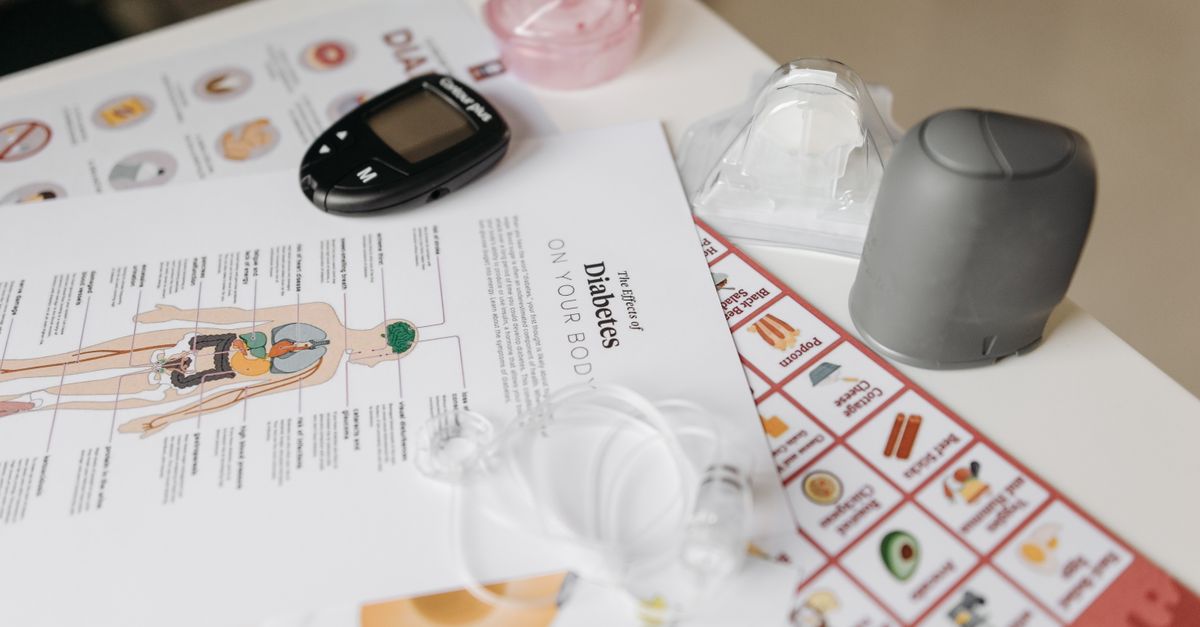
- Insulin Resistance: The body's cells don't respond effectively to insulin, leading to higher blood sugar levels and increased insulin production. This can contribute to weight gain and other metabolic issues.
Despite the name, not all women with PCOS have ovarian cysts, and having ovarian cysts doesn't automatically mean you have PCOS. It's the constellation of symptoms and hormonal findings that define the syndrome.
Common Symptoms of PCOS: Recognizing the Signs
The symptoms of PCOS can vary widely from woman to woman, both in type and severity. Some women experience mild symptoms, while others face significant challenges. It's important to recognize these signs:
Menstrual Irregularities
- Irregular periods: Periods that are infrequent (oligomenorrhea), very frequent, or unpredictable.
- Absent periods (amenorrhea): Not having periods at all for several months.
- Heavy bleeding: When periods do occur, they can sometimes be heavier or more painful than usual.
Androgen Excess
- Hirsutism: Excessive growth of dark, coarse hair in areas where men typically grow hair, such as the face, chest, and back.
- Acne: Persistent or severe acne, especially on the face, chest, and upper back, often resistant to standard treatments.
- Androgenic alopecia: Male-pattern baldness or thinning hair on the scalp.
Metabolic Concerns
- Weight gain and difficulty losing weight: Especially around the abdomen, often linked to insulin resistance.
- Insulin resistance: Can lead to prediabetes or type 2 diabetes.
- Darkening of skin (acanthosis nigricans): Patches of thickened, darkened skin, often in the neck, groin, or armpits, due to high insulin levels.
Other Potential Symptoms
- Fatigue
- Mood changes (anxiety, depression)
- Difficulty conceiving (infertility) due to irregular ovulation
- Sleep apnea
How is PCOS Diagnosed?
Diagnosing PCOS requires a thorough medical evaluation by a healthcare professional, typically a gynecologist. There isn't a single test for PCOS. Diagnosis usually involves a combination of:
- Detailed Medical History: Discussing your menstrual cycles, symptoms, and family history.
- Physical Examination: Checking for signs of androgen excess like hirsutism, acne, and assessing your weight and blood pressure.
- Blood Tests: To measure hormone levels (androgens, LH, FSH, thyroid hormones, prolactin), blood glucose, insulin, and cholesterol. These tests help rule out other conditions that might mimic PCOS symptoms.
- Pelvic Ultrasound: To visualize your ovaries and check for the presence of multiple small cysts (follicles). However, as mentioned, cysts alone don't confirm PCOS.
The diagnosis is typically made when at least two out of three criteria (Rotterdam criteria) are met: irregular periods, signs of excess androgens (clinical or biochemical), and polycystic ovaries on ultrasound.
Managing PCOS: A Holistic Approach
While there is currently no cure for PCOS, it is a highly manageable condition. The treatment plan is personalized, focusing on your specific symptoms, concerns, and future goals (e.g., fertility). A holistic approach is key:
Lifestyle Modifications
- Balanced Nutrition: Focus on a diet rich in whole foods, lean proteins, healthy fats, and complex carbohydrates. Limiting refined sugars and processed foods can significantly help manage insulin resistance and weight.
- Regular Exercise: Aim for a combination of cardiovascular activity and strength training. This improves insulin sensitivity, helps with weight management, and boosts mood.
- Weight Management: Even a modest weight loss (5-10% of body weight) can significantly improve PCOS symptoms, regulate periods, and enhance fertility.
- Stress Reduction: Chronic stress can exacerbate hormonal imbalances. Incorporate practices like yoga, meditation, deep breathing, or hobbies to manage stress effectively.
Medication Options
Your doctor may prescribe medications to manage specific symptoms:
- Oral Contraceptives: To regulate menstrual cycles, reduce androgen levels, and improve acne and hirsutism.
- Anti-androgens: Medications like spironolactone can help reduce hair growth and acne.
- Insulin Sensitizers: Metformin is often prescribed to improve insulin sensitivity, which can help with blood sugar regulation, weight management, and sometimes even menstrual regularity.
- Fertility Medications: For women trying to conceive, medications like clomiphene or letrozole can stimulate ovulation.
- Topical Treatments: For acne and unwanted hair, alongside systemic treatments.
It抯 crucial to remember that any medication should only be taken under the guidance and prescription of your gynecologist or healthcare provider.
Emotional Well-being
Living with PCOS can be emotionally challenging. Seeking support from loved ones, support groups, or a counselor can be incredibly beneficial for managing anxiety, depression, or body image concerns that may arise.
Dr. Neha Mehta's Advice:
As Dr. Neha Mehta, I want to emphasize that understanding your body and advocating for your health are your most powerful tools when living with PCOS. Don't let the diagnosis overwhelm you. Instead, view it as an opportunity to take proactive steps towards a healthier you. Here's what I always tell my patients:
- Early Diagnosis is Key: If you suspect PCOS, don't delay seeking professional help. The sooner we diagnose it, the sooner we can start effective management.
- Personalized Care Matters: There is no one-size-fits-all solution for PCOS. Your treatment plan should be tailored specifically to your symptoms, health goals, and lifestyle. We will work together to find what works best for you.
- Patience and Persistence: Managing PCOS is a journey, not a sprint. Be patient with yourself and persistent with your lifestyle changes and medical treatments. Small, consistent efforts lead to significant improvements over time.
- Open Communication: Always feel comfortable discussing all your symptoms, concerns, and any side effects of treatments with me. Your input is vital in refining your care plan.
- Focus on Overall Well-being: Beyond physical symptoms, prioritize your mental and emotional health. A balanced approach to care supports your entire being.
Remember, you are not defined by PCOS. You are strong, resilient, and capable of managing this condition effectively.
Conclusion
PCOS is a common, manageable condition that requires understanding, patience, and a comprehensive management plan. By recognizing the symptoms, seeking early diagnosis, and embracing a holistic approach to treatment, you can significantly improve your quality of life. My commitment as your gynecologist is to provide you with the most current, compassionate, and effective care every step of the way.
If you suspect you have PCOS, are struggling with its symptoms, or simply need personalized guidance, please don't hesitate to schedule a consultation with Dr. Neha Mehta. Let's work together towards your optimal health and well-being.