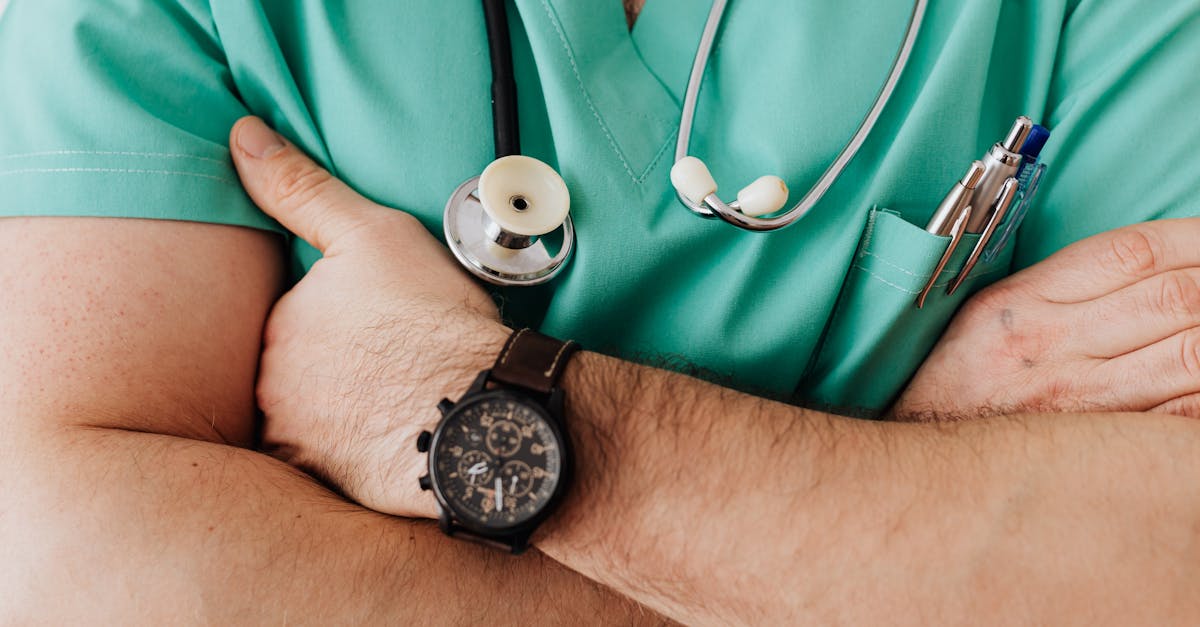
The Power of Prevention: Your Essential Guide to Gynaecological Check-ups

As women, we often juggle multiple roles, prioritizing everyone else's needs before our own. Yet, truly thriving requires us to make our health a priority. One of the most foundational aspects of women's health, often overlooked or dreaded, is the regular gynaecological check-up. At Dr. Neha Mehta's practice, we believe in empowering women through knowledge and proactive care.
Why Are Gynaecological Check-ups So Important?
Think of your annual gynaecological check-up not as a chore, but as an essential investment in your long-term health and well-being. These visits are critical for:
- Early Detection: Many serious conditions, such as cervical cancer, breast cancer, ovarian cysts, and sexually transmitted infections (STIs), often show no symptoms in their early stages. Regular screenings can detect these issues early when they are most treatable.
- Preventive Care: Beyond screening, your gynaecologist can offer guidance on contraception, fertility, menstrual health, menopausal symptoms, bone health, and lifestyle choices that impact your overall well-being.
- Personalized Health Assessment: Your body changes over time. These visits provide an opportunity to discuss any new symptoms or concerns, ensuring your care plan evolves with your life stages.
What to Expect During Your Well-Woman Visit
Knowing what to anticipate can help alleviate any anxiety. A typical gynaecological check-up generally includes:
- Medical History Review: A discussion about your general health, family history, lifestyle, and any specific concerns you might have.
- Breast Exam: Your doctor will manually check your breasts for any lumps or abnormalities. This is an important part of screening for breast cancer.
- Pelvic Exam: This involves a visual and manual examination of your external and internal reproductive organs to check for any abnormalities.
- Pap Test (Cervical Screening): During the pelvic exam, a small brush is used to collect cells from your cervix to screen for precancerous or cancerous changes.
- STI Screening: If appropriate based on your risk factors, your doctor may recommend tests for sexually transmitted infections.
Remember, this is also your opportunity to ask any questions, no matter how small they may seem.
When Should You Start and How Often?
The general recommendation for a first gynaecological visit is between the ages of 13 and 15, primarily for general health education, contraception advice, and addressing any menstrual concerns. The first Pap test is usually recommended starting at age 21, regardless of sexual activity. After that, most women should have an annual well-woman visit. Pap test frequency can vary, often every 3 years for women aged 21-65 with normal results, but your doctor will advise based on your individual health profile.
Debunking Common Fears
It's completely normal to feel a little anxious about gynaecological exams. Many women share these feelings. However, rest assured that your gynaecologist is a professional dedicated to your health and comfort. We are here to support you, answer your questions, and ensure you feel respected throughout the process. Open communication about any discomfort or concerns you have is always encouraged.
Embrace Your Health Journey
Making regular gynaecological check-ups a non-negotiable part of your health routine is one of the most proactive steps you can take for your well-being. It's a commitment to yourself, an act of self-love that empowers you to live a healthier, more confident life.
Ready to prioritize your health? We encourage you to schedule your next well-woman visit with us at Dr. Neha Mehta's practice. Your health is our priority.