PCOS Unveiled: A Gynecologist's Guide to Understanding Polycystic Ovary Syndrome
Dear Readers,
As a gynaecologist, one of the most common hormonal conditions I encounter in my practice is Polycystic Ovary Syndrome, or PCOS. It抯 a condition that affects millions of women worldwide, often leading to a range of challenging symptoms and concerns about fertility and long-term health. Unfortunately, there's also a lot of misinformation out there, which can be overwhelming.
My aim today is to cut through the confusion and provide you with clear, accurate, and trustworthy information about PCOS. Understanding this condition is the first step towards managing it effectively and living a full, healthy life.
What Exactly is PCOS?
PCOS is more than just a problem with your ovaries; it's a complex hormonal and metabolic disorder. It's characterized by an imbalance of reproductive hormones, which can lead to problems in your ovaries. Instead of developing and releasing eggs normally each month, the ovaries in women with PCOS may develop many small fluid-filled sacs (follicles) and fail to regularly release eggs. This isn't just a physical issue; it impacts various systems in the body.
Common Signs and Symptoms of PCOS
PCOS symptoms can vary significantly from one woman to another, both in type and severity. They often begin around the time of the first menstrual period, but can also develop later in life. Key indicators often include:
Irregular Periods
- Oligomenorrhea: Infrequent periods (fewer than 8 periods a year).
- Amenorrhea: Missing periods altogether for several months or more.
- Periods may be heavy when they do occur.
Excess Androgen (Male Hormone) Levels
Women naturally produce androgens, but in PCOS, levels can be elevated, leading to:
- Hirsutism: Excessive hair growth on the face, chest, abdomen, or back.
- Acne: Persistent, often severe acne, especially on the face, chest, and upper back.
- Androgenic Alopecia: Thinning hair on the scalp or male-pattern baldness.
Polycystic Ovaries
An ultrasound may show ovaries that are larger than normal and contain many small follicles (often referred to as 'cysts,' though they are not true cysts, but immature egg sacs). However, it's important to note that having polycystic ovaries on ultrasound alone does not necessarily mean you have PCOS.
Other Related Symptoms
- Weight Gain & Difficulty Losing Weight: Often around the abdomen, making weight management challenging.
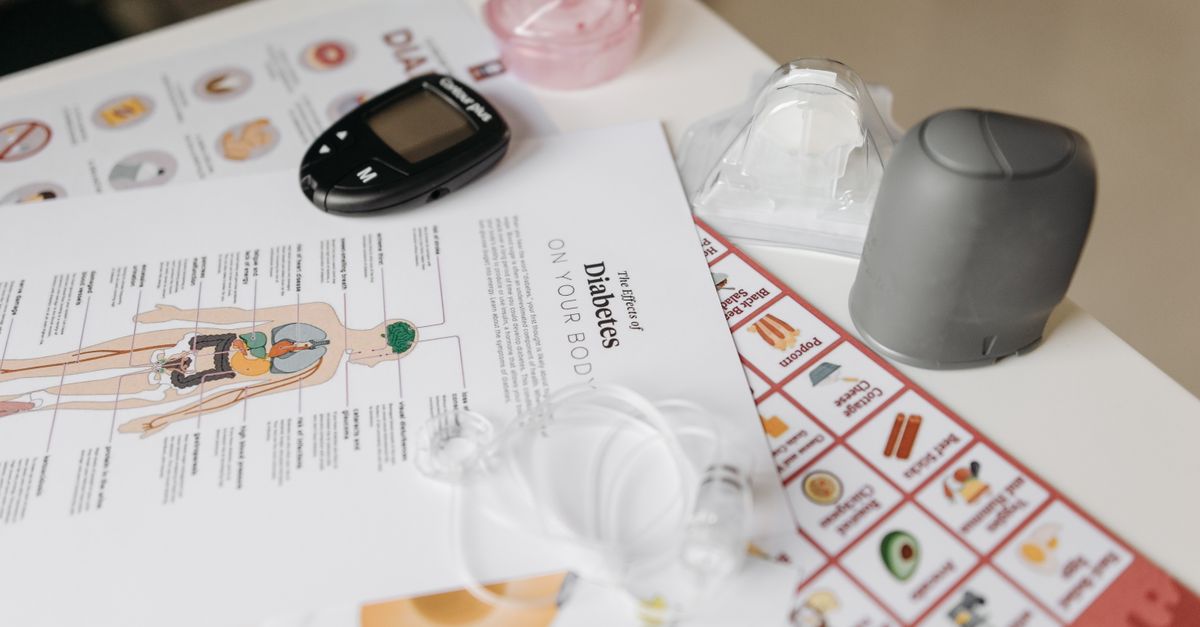
- Insulin Resistance: The body's cells don't respond effectively to insulin, leading to higher blood sugar levels and increased insulin production. This can contribute to weight gain and increase the risk of type 2 diabetes.
- Fatigue and Low Energy: A common but often overlooked symptom.
- Mood Changes: Increased risk of anxiety and depression.
- Skin Tags & Acanthosis Nigricans: Darkening and thickening of skin in body folds like the neck, armpits, or groin.
How is PCOS Diagnosed?
Diagnosing PCOS requires a thorough evaluation by a gynaecologist. There isn't a single test for PCOS. Diagnosis is typically made when you meet at least two of the following three criteria, after other conditions have been ruled out:
- Irregular or Absent Periods: Indicating irregular or absent ovulation.
- Evidence of High Androgen Levels: This can be clinical (hirsutism, acne, hair loss) or biochemical (blood tests showing elevated androgen levels).
- Polycystic Ovaries on Ultrasound: As described above.
Your doctor will also perform blood tests to check hormone levels, blood sugar, cholesterol, and to rule out other conditions that might mimic PCOS symptoms, such as thyroid disorders or adrenal gland issues.
Managing PCOS: A Holistic Approach
While there is currently no 'cure' for PCOS, it is highly manageable. The treatment approach is always personalized, focusing on your specific symptoms, health goals (e.g., fertility, menstrual regulation, cosmetic concerns), and overall well-being. A holistic strategy often combines lifestyle modifications with medical interventions.
Lifestyle Modifications: Your First Line of Defense
Making sustainable changes to your lifestyle can significantly improve PCOS symptoms and reduce long-term health risks.
- Balanced Nutrition: Focus on a diet rich in whole foods, lean proteins, healthy fats, and complex carbohydrates. Limiting processed foods, refined sugars, and excessive simple carbohydrates can help manage insulin resistance and weight.
- Regular Exercise: Aim for a combination of cardiovascular and strength training activities. This helps improve insulin sensitivity, manage weight, and boost mood.
- Weight Management: Even a modest weight loss (5-10% of body weight) can make a significant difference in regulating periods, improving insulin sensitivity, and reducing androgen levels.
- Stress Management: Chronic stress can impact hormone balance. Incorporate stress-reducing activities like yoga, meditation, deep breathing, or hobbies into your routine.
Medical Management Options
Depending on your individual needs, your doctor may recommend:
- Oral Contraceptive Pills: These are often prescribed to regulate menstrual cycles, reduce androgen levels (improving acne and hirsutism), and protect the uterine lining.
- Metformin: A medication typically used for type 2 diabetes, Metformin can help improve insulin sensitivity in women with PCOS, which may aid in weight management and cycle regularity.
- Anti-androgen Medications: These can help reduce severe hirsutism and acne.
- Fertility Treatments: For women trying to conceive, various options are available to stimulate ovulation, often starting with lifestyle changes and oral medications like Clomiphene or Letrozole.
- Other Medications: For specific symptoms like acne or hair loss, dermatological treatments may also be recommended.
Dr. Neha Mehta's Advice: Living Well with PCOS
My message to all women navigating PCOS is one of empowerment through knowledge and proactive care:
"PCOS is a journey, not a sprint. It requires patience, consistency, and a strong partnership with your healthcare provider. Don't be disheartened; with the right strategies, you can effectively manage your symptoms and prevent potential complications. Early diagnosis and consistent adherence to your personalized treatment plan are key.
Remember that you are not alone. Reach out for support, advocate for your health, and don't hesitate to ask questions. Every woman's experience with PCOS is unique, and your treatment should reflect that. Embrace healthy lifestyle changes as foundational pillars of your well-being, and know that I am here to guide you every step of the way."
Conclusion
PCOS can feel daunting, but it is a manageable condition. By understanding its nature, recognizing its symptoms, and adopting a proactive approach to your health, you can significantly improve your quality of life. The most crucial step is seeking professional medical advice for an accurate diagnosis and a personalized treatment plan.
If you suspect you may have PCOS or are struggling with existing symptoms, please don't hesitate. Book an appointment with a gynaecologist today to discuss your concerns and explore the best path forward for your health.