
PCOS Management: Your Guide to Holistic Health & Well-being
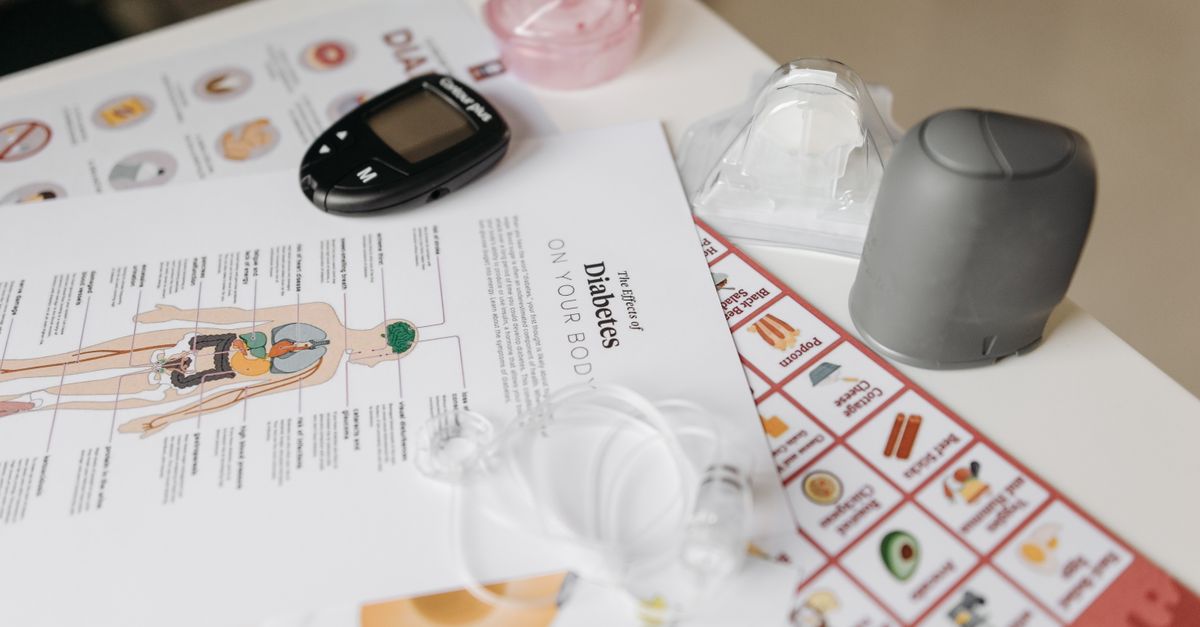
Welcome, dear readers. As a gynaecologist, I meet many women navigating the complexities of Polycystic Ovary Syndrome (PCOS). It's a condition that can feel overwhelming, but I want to assure you that with the right understanding and a proactive approach, PCOS is entirely manageable. My goal today is to demystify PCOS management and empower you with practical, medically sound strategies for your well-being.
Understanding Polycystic Ovary Syndrome (PCOS)
PCOS is a common hormonal disorder affecting women of reproductive age. It抯 characterized by a combination of symptoms, often including irregular periods, excess androgen (male hormone) levels leading to symptoms like acne and hirsutism (excess body hair), and polycystic ovaries (ovaries that may contain numerous small follicles and fail to regularly release eggs). The exact cause isn't fully understood, but it's believed to involve a mix of genetic and environmental factors, often linked to insulin resistance.
Diagnosing PCOS: A Collaborative Approach
A diagnosis of PCOS is typically made after a thorough medical history review, a physical examination, and blood tests to check hormone levels. An ultrasound scan may also be performed to assess the ovaries. It抯 important to remember that not every woman with PCOS will have all the classic symptoms, and diagnosis requires careful evaluation by a healthcare professional.
Holistic Management Strategies for PCOS
Managing PCOS is not a one-size-fits-all approach; it抯 a journey that often combines lifestyle modifications with medical support. The good news is that many women find significant relief and improvement in their quality of life through comprehensive strategies.
Lifestyle Modifications: Your First Line of Defense
Lifestyle changes are foundational to PCOS management, often making a profound difference in symptom control and overall health.
-
Dietary Changes: Focus on a balanced, nutrient-rich diet.
- Emphasize whole foods: fruits, vegetables, lean proteins, and whole grains.
- Limit processed foods, sugary drinks, and refined carbohydrates, which can exacerbate insulin resistance.
- Consider consulting a dietitian specializing in PCOS for a personalized eating plan.
-
Regular Exercise: Physical activity is crucial.
- Aim for at least 150 minutes of moderate-intensity aerobic exercise per week, combined with strength training.
- Exercise helps improve insulin sensitivity, manage weight, and boost mood.
-
Stress Management: Stress can worsen hormonal imbalances.
- Incorporate relaxation techniques such as yoga, meditation, deep breathing exercises, or spending time in nature.
- Prioritize activities that bring you joy and help you unwind.
- Adequate Sleep: Prioritize 7-9 hours of quality sleep per night. Poor sleep can impact hormones and insulin sensitivity.
Medical Management Options
For many women, lifestyle changes alone may not be enough, and medical interventions can play a vital role in managing specific symptoms. Your gynaecologist will work with you to determine the most appropriate medical plan.
- Hormonal Therapies: Oral contraceptives are often prescribed to regulate menstrual cycles, reduce androgen levels, and improve acne and hirsutism.
- Insulin Sensitizers: Medications like Metformin can help improve insulin resistance, which is a common underlying factor in PCOS.
- Fertility Treatments: If conception is a goal, your doctor can discuss options like ovulation induction or other assisted reproductive technologies.
The Importance of Regular Monitoring
PCOS is a chronic condition, and regular follow-ups with your gynaecologist are essential. This allows for monitoring of your symptoms, adjustment of your management plan, and screening for associated health risks such as type 2 diabetes, heart disease, and endometrial hyperplasia.
Dr. Neha Mehta's Advice: Embracing Your Journey
"Dear women, managing PCOS is a marathon, not a sprint. It requires patience, consistency, and a collaborative spirit with your healthcare provider. Please remember that every woman's experience with PCOS is unique, and what works best for one person may differ for another. Do not feel discouraged if you don't see immediate results. Focus on sustainable changes, celebrate small victories, and never hesitate to discuss your concerns, symptoms, and emotional well-being with me. My aim is to help you feel empowered and supported as we work together to optimize your health and quality of life."
Conclusion
PCOS management is about taking control of your health with knowledge and proactive steps. By embracing lifestyle changes, understanding your medical options, and maintaining regular communication with your gynaecologist, you can effectively manage PCOS and live a fulfilling, healthy life. You are not alone on this journey.
Don't navigate PCOS alone. Schedule a consultation with Dr. Neha Mehta to discuss a personalized management plan tailored to your specific needs and health goals.