
Keeping Your Vagina Healthy: Essential Tips from Dr. Neha Mehta
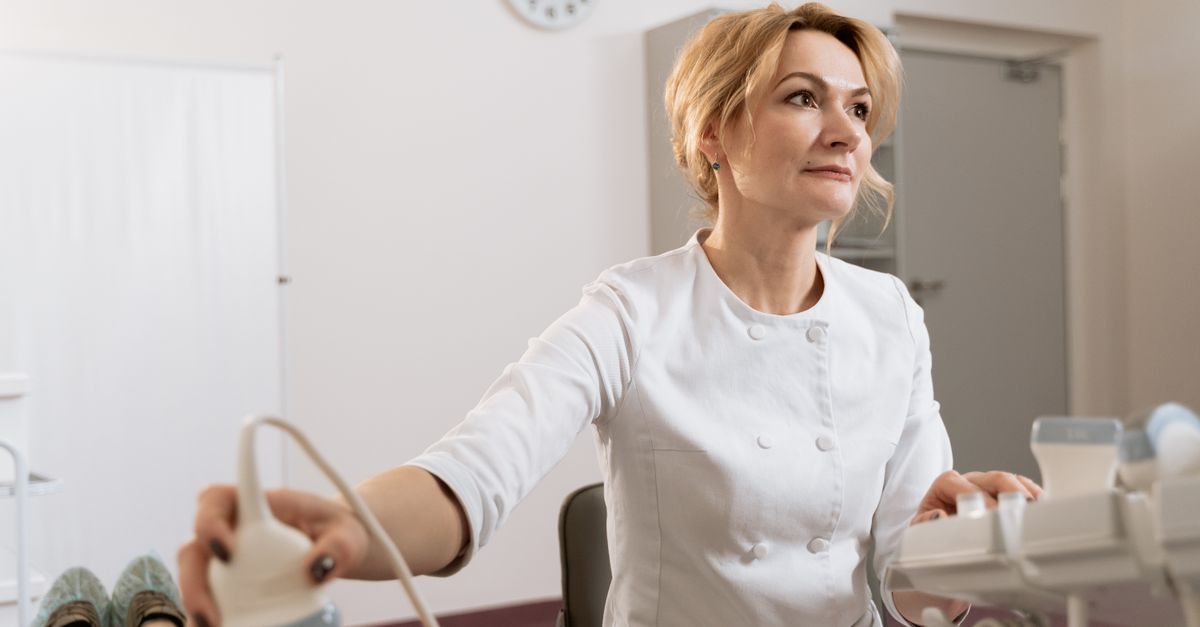
Your Vagina: A Self-Cleaning Marvel That Needs Your Gentle Care
As a gynaecologist, I often meet women who are unsure about how to properly care for their vaginal health. It's a vital part of your body, and understanding how to maintain its natural balance is crucial for your overall well-being. Your vagina is an amazing, self-cleaning organ, but a little gentle care and awareness can go a long way in preventing common issues and promoting lasting health.
Let's debunk some myths and share some practical, doctor-approved tips for optimal vaginal health.
Understanding pH Balance: The Foundation of Vaginal Health
The vagina naturally maintains a delicate acidic pH balance, usually between 3.8 and 4.5. This acidity is essential because it creates an environment where 'good' bacteria (lactobacilli) can thrive, keeping 'bad' bacteria and yeasts in check. Disruptions to this balance can lead to infections like bacterial vaginosis (BV) or yeast infections. Our goal is to support this natural balance.
Gentle Hygiene is Always Key
Warm Water is Your Best Friend: For external cleaning (the vulva), warm water is usually all you need. If you prefer to use soap, choose a mild, unscented variety and use it only on the external areas.
Say NO to Douches: Douching is completely unnecessary and often harmful. It washes away the beneficial bacteria, disrupting your natural pH and increasing your risk of infections. Your vagina cleans itself naturally from the inside.
Avoid Scented Products: Scented soaps, bubble baths, feminine wipes, and sprays can contain harsh chemicals and irritants that upset your vaginal pH and lead to irritation or allergic reactions.
Wipe Front to Back: After using the toilet, always wipe from front to back to prevent bacteria from the anus from entering the vagina or urethra, which can cause urinary tract infections (UTIs).
Choose Your Underwear Wisely
Embrace Cotton: Cotton underwear is highly breathable, allowing air circulation and preventing moisture buildup. Excess moisture creates a breeding ground for yeast and bacteria.
Avoid Tight Clothing: Restrictive clothing, especially made from synthetic materials, can trap heat and moisture. Opt for looser-fitting clothes when possible.
Change After Workouts: Don't sit around in sweaty gym clothes. Change into dry, clean underwear as soon as possible after exercise.
Prioritize Safe Sex Practices
Use Condoms Consistently: Condoms are the only form of contraception that protects against sexually transmitted infections (STIs). Regular use is vital for your health and that of your partner(s).
Regular STI Screenings: If you are sexually active, especially with new or multiple partners, regular STI screenings are essential for early detection and treatment.
Listen to Your Body and Don't Ignore Symptoms
While some vaginal discharge is normal and healthy (it changes throughout your menstrual cycle), certain symptoms warrant attention:
Unusual or strong odor.
Changes in discharge color, consistency, or amount (e.g., thick, cottage cheese-like, or green/yellow).
Persistent itching, burning, or irritation.
Pain during intercourse or urination.
Bleeding outside of your period.
These could be signs of an infection or another condition that requires medical attention. Please don't hesitate to reach out to me if you experience any of these symptoms.
The Importance of Regular Gynaecological Check-ups
Even if you feel perfectly healthy, annual gynaecological check-ups are fundamental to your vaginal and overall reproductive health. These visits allow for:
Preventative Screenings: Such as Pap tests for cervical cancer screening.
Early Detection: Identifying potential issues like infections, cysts, or other conditions before they become serious.
Personalized Advice: Discussing contraception, fertility planning, menopausal symptoms, or any other concerns you may have.
Your vaginal health is a crucial indicator of your overall well-being. By following these simple, medically sound tips and maintaining open communication with your gynaecologist, you can empower yourself to feel confident and healthy. Remember, I'm here to support you in every aspect of your women's health journey. Never hesitate to ask questions or seek professional advice.